
Gynaecology
Compassionate gynaecological care, tailored to you.
Common Symptoms & Presentations
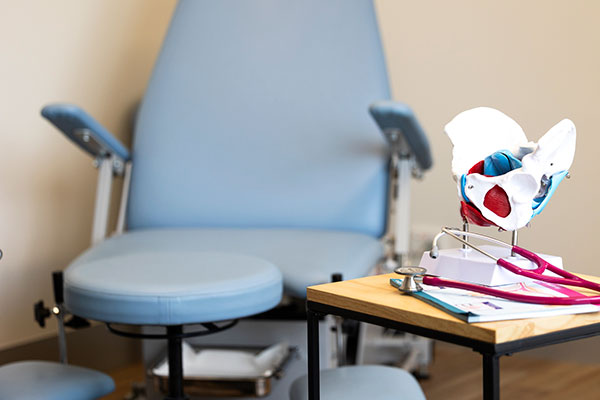
Gynaecology is the area of medicine concerned with female reproductive and sexual anatomy and physiology. This includes care of the vulva, vagina, cervix, uterus, fallopian tubes, and ovaries. It also sometimes includes care of closely related anatomical structures including the bladder, bowel, ureters (tubes that drain urine from the kidneys into the bladder), and muscles like the pelvic floor.
Specialists in gynaecology can remain general or can subspecialise in areas like fertility, oncology, or urogynaecology.
It is a fascinating, important, and broad specialty that covers many presentations and conditions. People may seek gynaecological care for pelvic pain, abnormal menstrual bleeding, perimenopause and menopause support, subfertility, prolapse, and any number of other vaginal or vulvar symptoms.
Gynaecological conditions can impact people in significant ways preventing women and people with gynaecological anatomy from enjoying a full life. The impact of chronic pain or heavy bleeding prevents many sufferers from participating in work, school, hobbies, and engaging socially in the way that they would like to. Vaginal symptoms like discharge, prolapse and incontinence, or menopause symptoms can be embarrassing, distracting, and isolating for some.
We should care deeply about these problems and acknowledge that we all deserve to have our concerns about our bodies heard and cared about. As a healthcare system we can do better to ensure people can access care and are supported towards achieving their health and wellbeing goals.
As a gynaecologist, I care about you and what is important to you. When you attend your consultation with me, you can expect to be heard. You can expect me to ask you about what is important to you, and what you want from our time together.
Bleeding
Abnormal vaginal bleeding is a common gynaecological presentation that can include the following:
Heavy menstrual bleeding
Heavy menstrual bleeding is bleeding that is heavy for you because it interferes with your quality of life, whether that be your health (either physical or psychological), social or work life, and wellbeing.
Signs that you bleeding may be heavy include:
- Bleeding more than 5-6 tablespoons of blood during your period
- Prolonged bleeding for more than 8 days
- Needing to change sanitary products every hour because they are full
- Waking in the night to change your pad or tampon
- Passing clots greater than the size of a 50cent piece
- Flooding through your clothes or bleeding onto your sheets at night
Intermenstrual bleeding
Intermenstrual bleeding is bleeding that occurs in between periods. It can be light spotting or it can be heavier like a second period.
Postcoital bleeding
Postcoital bleeding is bleeding that occurs after sex.
Irregular periods
Irregular periods is a term used to describe when your periods do not follow a regular pattern like we would expect.
These bleeding problems can be caused by benign conditions of the uterus, such as fibroids, polyps, adenomyosis. It can also be caused by precancerous and cancerous conditions of the uterus and cervix. Or it can be caused by hormone imbalances and metabolic disorders like polycystic ovary syndrome or thyroid disease. It can also be caused by bleeding disorders, medications, and infections.
When to seek help for your bleeding
You should seek urgent medical attention if you are filling pads every 30mins for several consecutive hours, if you have lost consciousness, feeling faint or clammy, or your heart is racing.
You should seek medical advice for any of the above abnormal bleeding problems because there are some serious conditions that are important to investigate and exclude. These investigations will usually include an ultrasound and some blood tests in the first instance. You should also seek medical advice because there are available treatments that can improve your quality of life.
It is important to know that you do not need to suffer with pain, and you deserve to be well.
Pain
Causes
Pelvic pain can be caused by a range of gynaecological conditions including fibroids and adenomyosis, ovarian cysts, endometriosis, infections, gynaecological cancers, miscarriage, and ectopic pregnancy. Pelvic pain can also be caused by a range of non-gynaecological conditions including inflammatory bowel disease, irritable bowel syndrome, appendicitis, and urinary tract infection.
Acute pelvic pain
For acute pelvic pain, it is reasonable to seek urgent medical attention for any episode of severe pain that is not relieved by simple analgesia or manageable at home. If it is manageable but still causing significant pain then seek medical advice from your general practitioner in the first instance to commence some investigations, such as an ultrasound.
Persistent pelvic pain
Some pain is not severe in this way, but is persistent and interferes with all aspects of everyday life. Persistent pelvic pain is pain on most days for at least 6 months. Too often, people live with pelvic pain like this without an explanation for the pain or solutions to address it. It is important to know that you do not need to suffer with pain, and you deserve to be well. Seek medical advice if you are experiencing persistent pelvic pain.
Perimenopause and Menopause Symptoms
Perimenopause
Perimenopause is the transition period into menopause. It is a time of swinging shifts in hormones that occurs on average 4 to 6 years prior to menopause. Symptoms in perimenopause can be driven by both high and low oestrogen and progesterone.
The symptoms of perimenopause can include:
- Irregular periods
- Hot flushes and night sweats
- Insomnia
- Aches and pains
- Headaches
- Tender breasts
- Vaginal dryness
- Mood changes
- Brain fog
Menopause
Menopause is the time when menstrual cycles stop and it is recognised retrospectively by 12 months of no periods. The average age of menopause is 51 years of age, but may occur between the age of 45 and 55 years in the normal population. Menopause is marked by oestrogen deficiency and this drives many of the symptoms commonly associated with menopause, such as hot flushes.
Symptoms of menopause can include:
- Hot flushes and night sweats
- Insomnia
- Aches and pains
- Vaginal dryness
- Urinary symptoms
- Mood changes
- Brain fog
In addition to these symptoms, the loss of oestrogen also contributes to increased risk for cardiovascular disease, stroke, weight gain, diabetes, osteoporosis, dementia, and mood disturbances.
You should seek medical advice if you are bothered by the above symptoms. There are now a range of available options that can improve your quality of life. Even if you are not particularly bothered by the symptoms mentioned, it is still important to see your general practitioner for a regular and comprehensive health check, especially for cardiovascular and bone health. And to complete cervical, breast, and bowel cancer screening.
We Commonly Treat
Endometriosis
Endometriosis is a chronic condition caused by tissue that is similar to the lining of the uterus that is deposited outside of the uterus. Symptoms can include pain, bloating, abnormal bleeding, and subfertility.
Ovarian cysts
Cysts can occur on the ovaries. Some cysts cause no symptoms, but large cysts may cause pain or bloating. They can also twist on themselves or rupture and this can present with severe pain. Some common benign ovarian cysts are functional cysts, dermoid cysts, cystadenomas, and endometriomas.

Fibroids
Fibroids are benign growths in the uterus that grow under the influence of oestrogen. They can cause pain, pelvic pressure, heavy periods, enlarged abdomen, problems voiding urine, constipation, and subfertility.

Adenomyosis
Adenomyosis is a condition where the lining of the uterus grows into the muscular body of the uterus. This leads to the uterus grow larger and can cause painful periods, heavy periods, and subfertility.

About Your Gynaecologist
Dr Holbeach is an experienced gynaecologist that has cared for patients with the conditions described here for over 10 years. She is a Fellow of RANZCOG and has a Masters of Reproductive Medicine and a PhD in Bioethics.
Frequently Asked Questions
How do I know if my bleeding is abnormal?
There are a number of ways that vaginal bleeding may abnormal and need assessment by a doctor. Bleeding can be abnormally heavy or irregular, it may occur after sex, or in between periods, or after menopause (12 months since your last period). For more information see the section on this page about abnormal bleeding. If that describes the bleeding you experience, you should see your GP to start the investigation process. If you would like to discuss your symptoms and what can be done about it, please get in touch with us.
What sort of bleeding is an emergency?
If you have been filling pads every 30mins for several consecutive hours, if you have lost consciousness, feel faint or clammy, or your heart is racing, then you should seek urgent medical attention.
What sort of pain is an emergency?
You should seek urgent medical attention if you have severe pain that you cannot manage at home with simple pain relief and is getting worse, or lasts for several hours, or wakes you from sleep, or is associated with other symptoms like fever, vomiting, abdominal swelling, bleeding, inability to pass urine or open your bowels.
How do I know if I am in perimenopause?
The diagnosis of perimenopause is based on your symptoms and medical history. Those symptoms can include hot flushes, night sweats, irregular cycles, insomnia, brainfog, aches and pains, and others. While there are tests that can be used to rule out other explanations for your symptoms, there is no test that can confirm if you are in perimenopause. Your hormone levels may be normal even though you may experience a range of symptoms that do not feel ‘normal’. If you’re experiencing bothersome symptoms and you would like to discuss your options, please feel welcome to contact us.
What should I expect from a pelvic ultrasound?
A pelvic ultrasound is the main way that we can assess the reproductive organs in the pelvis (the uterus, fallopian tubes, and ovaries. Ultrasound is a good way to assess different possible conditions affecting these structures too (eg. cysts, fibroids, blood vessels).
Usually, a pelvic ultrasound to investigate possible gynaecological conditions requires scanning through both your abdomen and the vagina. Scanning through the vagina allows the probe to get closer to the structures, and the ovaries in particular, so that they can be assessed in more detail.
Speak to your doctor if you have concerns or do not want to have a scan through the vagina. You can decline this part of the assessment, however it may mean that the results are limited. How that impacts upon your care requires a conversation with your doctor so that you can make an informed decision.
Your Health, handled with care
For respectful and informed care, contact Dr Naomi Holbeach today.