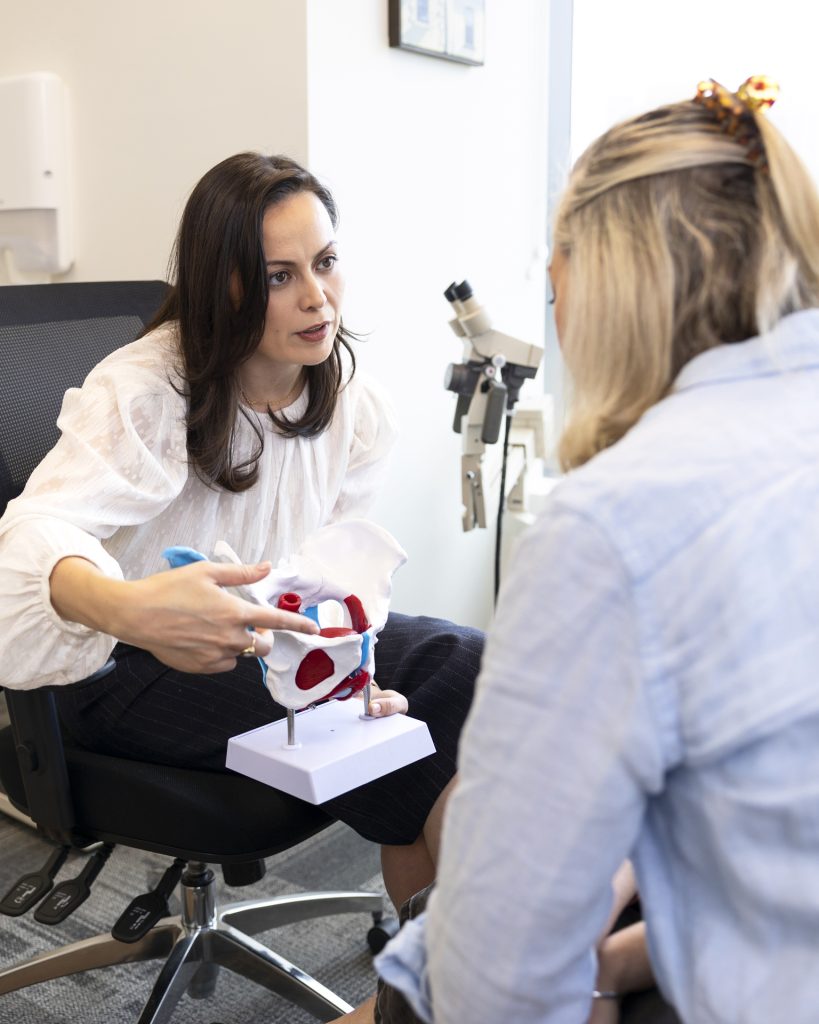
I presented on Informed Consent in Maternity Care at the Safer Care Victoria My Maternity Journey Expert Working Group this month for their meeting about Labour and Birth. Informed consent in O&G was a large part of my doctoral thesis, and it was a privilege to share this with colleagues from across Victoria to help improve the care and experience of people accessing maternity services.
Maternity care providers have obligations to provide information to patients so that they can make meaningful choices about their bodies, their babies, and their lives and families. There are many moments in the pregnancy, labour and birth journey where information is provided and choices are made. Choices to be pregnant or not, to be pregnant now or later. Choices to test for infections or diabetes, to screen for genetic conditions, to have ultrasounds. Choices about when, where, and how to birth. These are important and sometimes life determining conversations. Our job as maternity care providers is to support patients exercise agency to the fullest extent possible.
At the workshop I outlined the legal and professional obligations that we must meet. There is a legal obligation not to interfere with another person’s body without valid consent (trespass). There is also a legal obligation to warn people about certain risks when discussing the care that has been advised (negligence). There are also professional obligations that describe the professional standards for communicating with patients about their care (found in codes of conduct). These include discussing benefits, risks, doing nothing, alternative treatments, and how to provide this information to aid understanding and agency.
Caring for people requires more than merely meting the minimum requirement. We should think about the person that is making the decision and how we are meeting their individual needs. We should think about the circumstances surrounding the decision and how we can provide meaningful information and care at the same time.
I am thrilled that as a community of maternity care providers we are having these important discussions. Recognising the impact of our words and actions. Acknowledging the poor experiences and even harm that some patients and families have reported. We should be proud that the vast majority of people in this country can give birth safely. It’s great to be working together to make labour and birth psychologically safe too.